
Building Customer Connections in a Rapidly Evolving Market
How technology, trust, and Thai-specific context are shaping the future of customer relationship management.
A Local Shift with Global Momentum
In 2025, Thailand is not just catching up with global CRM trends—it’s adapting them with nuance, agility, and cultural context. As digital transformation deepens across industries, Thai businesses are increasingly prioritizing CRM systems as core strategic tools. From SMEs to large enterprises, there is a clear movement toward creating deeper, data-driven, and personalized customer experiences—without losing the relational warmth that defines Thai business culture.
1. AI and Machine Learning in Action
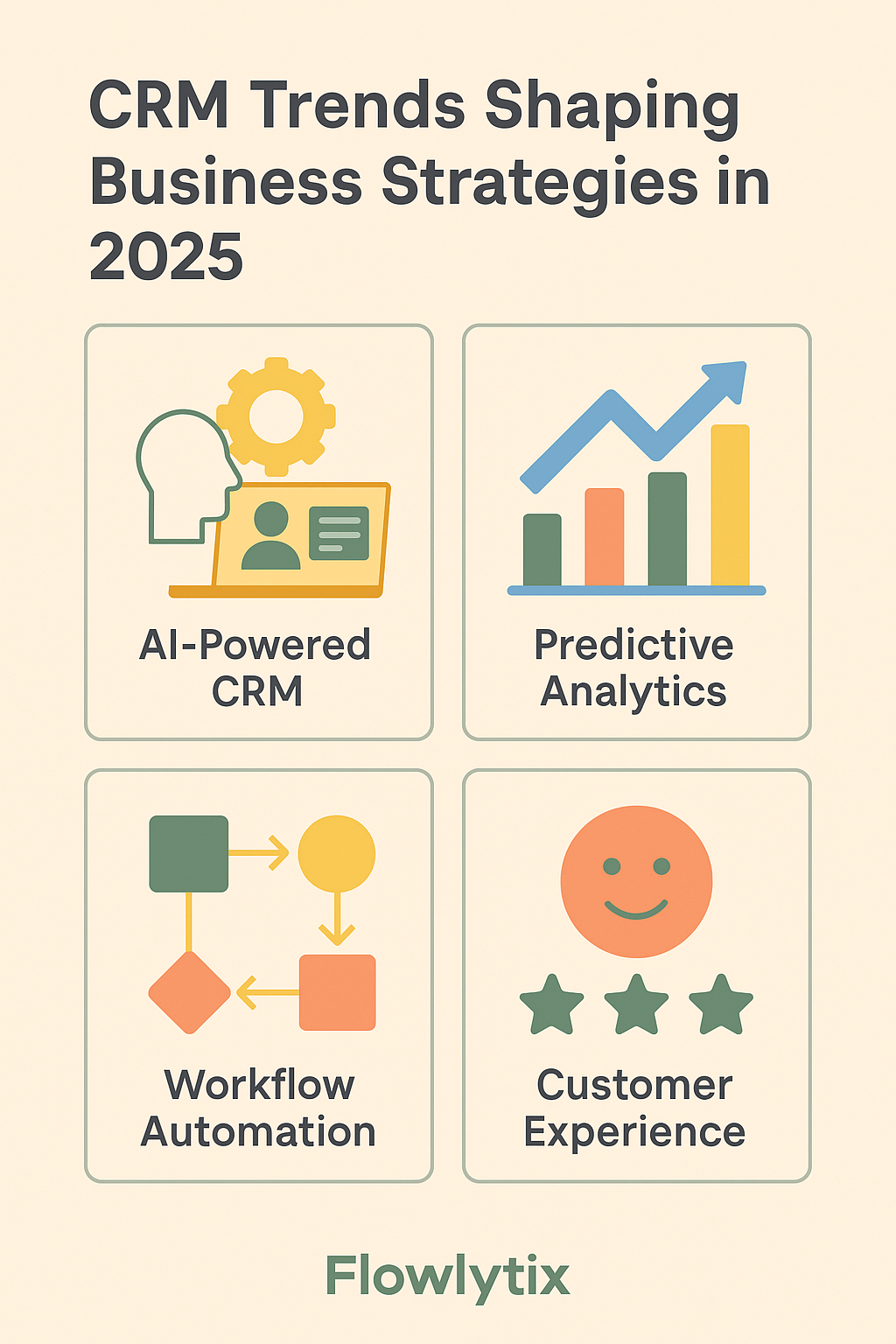
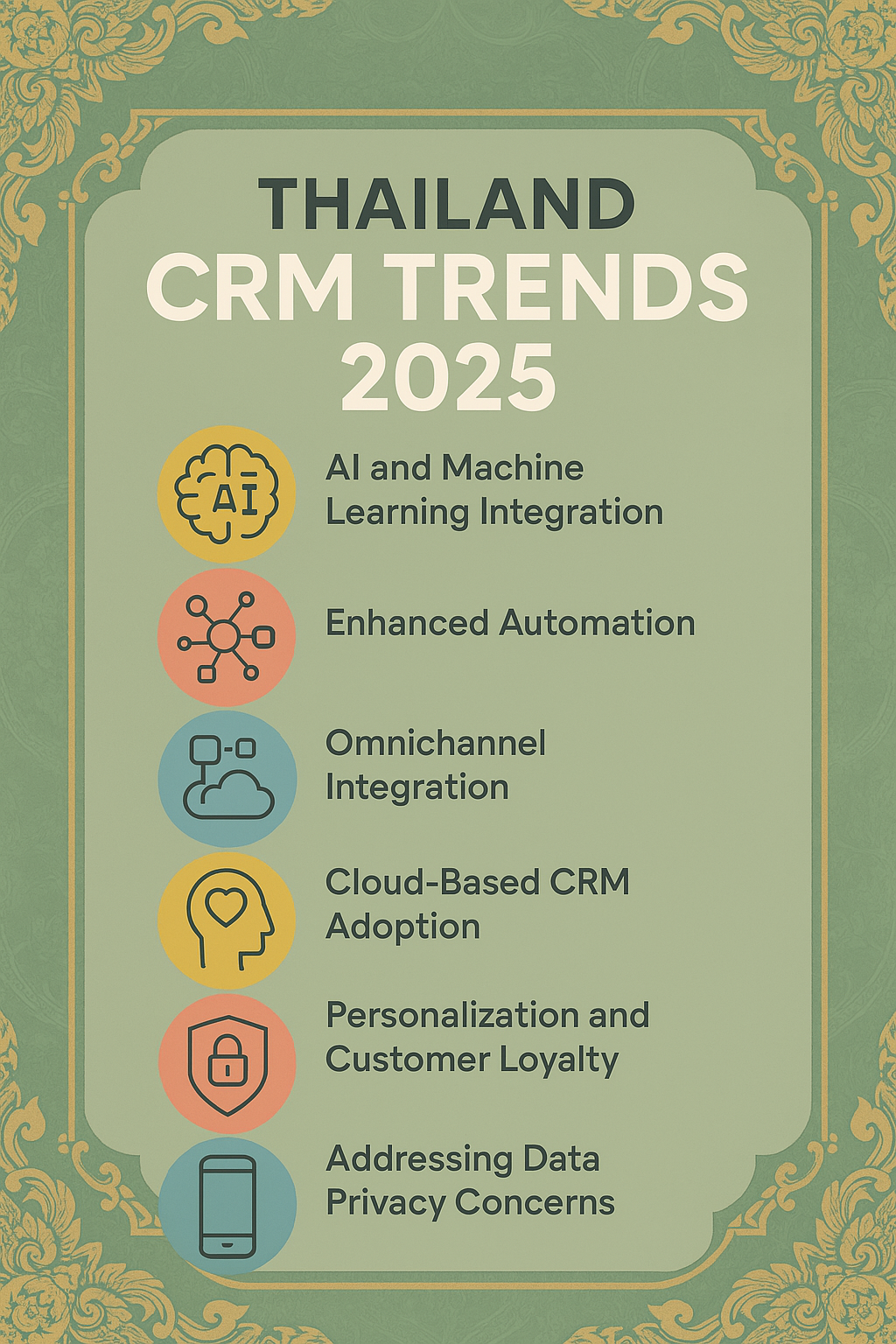
Thai organizations are beginning to fully embrace AI-driven CRM features that deliver predictive recommendations and real-time personalization. Tools like Salesforce Einstein are being adopted in more complex sales environments, while mid-tier platforms are integrating basic AI models to improve customer segmentation, product suggestions, and service responses.
The goal? Speed, relevance, and customer satisfaction—with decisions backed by data instead of guesswork.
2. Workflow Automation That Works
From email follow-ups to lead scoring and task reminders, CRM automation is becoming more advanced and accessible. Thai businesses are especially turning to platforms like HubSpot, Zoho, and Bitrix24 for automation tools that simplify sales and marketing operations while reducing human error.
This isn’t just about working faster. It’s about freeing up teams to focus on relationships that matter.
3. Omnichannel, Thai Style
Consumer behavior in Thailand is fluid across LINE, Facebook, Instagram, TikTok, and more. Modern CRM systems now integrate seamlessly with these platforms, pulling in real-time engagement data and enabling true omnichannel communication.
Thai customers expect brand consistency across all touchpoints. CRM helps ensure that whether they’re messaging via chat, shopping online, or visiting a physical store, the experience feels connected—and personal.
4. Cloud CRM Becomes the Default
Cloud adoption has seen a dramatic uptick across Thailand in the post-pandemic era. With more hybrid and remote teams, platforms like Salesforce, Microsoft Dynamics, and Freshsales offer the scalability and mobility needed to keep businesses agile.
The cloud isn’t just about convenience. It’s now essential infrastructure for flexibility, data security, and cost-effective scaling.
5. Loyalty, Built on Personalization
Thai customers respond positively to brands that remember them, reward them, and offer value tailored to their preferences. CRM systems are now key to designing loyalty programs that go beyond points and tiers—focusing instead on emotional connection and lifecycle value.
With tools to track purchase history, frequency, and channel preference, companies are turning insights into trust.
6. Data Privacy Meets PDPA
Since the implementation of Thailand’s Personal Data Protection Act (PDPA), companies have had to rethink how they collect, store, and use customer data. The best CRM platforms now include built-in features for consent tracking, data anonymization, and secure access protocols.
This trend isn’t just about compliance. It’s about communicating clearly with customers: “Your data is safe with us.”
7. Mobile-First CRM for Sales on the Move
With Thailand’s field-based sales teams and mobile-savvy workforce, mobile CRM usage is growing rapidly. Sales reps now expect to access customer history, update records, and trigger workflows directly from their phones—whether at a café in Bangkok or a client site in Chiang Mai.
Mobile CRM is no longer a nice-to-have. It’s the frontline interface for modern relationship building.
The Flowlytix Perspective
At Flowlytix, we believe that CRM success in Thailand requires more than importing global tools. It demands understanding the local pulse—how people buy, how relationships work, how trust is earned.
Thailand’s CRM evolution is not just digital. It’s cultural. It blends high-tech with high-touch, analytics with intuition, and global best practices with local sensibility.
For organizations ready to move beyond transactional customer management toward long-term loyalty, 2025 presents a clear inflection point.
Start with data. Lead with empathy. And build systems that serve both.